Exploring Abandoned Places Safely and Ethically: A Guide for Urban Urbex Adventurers

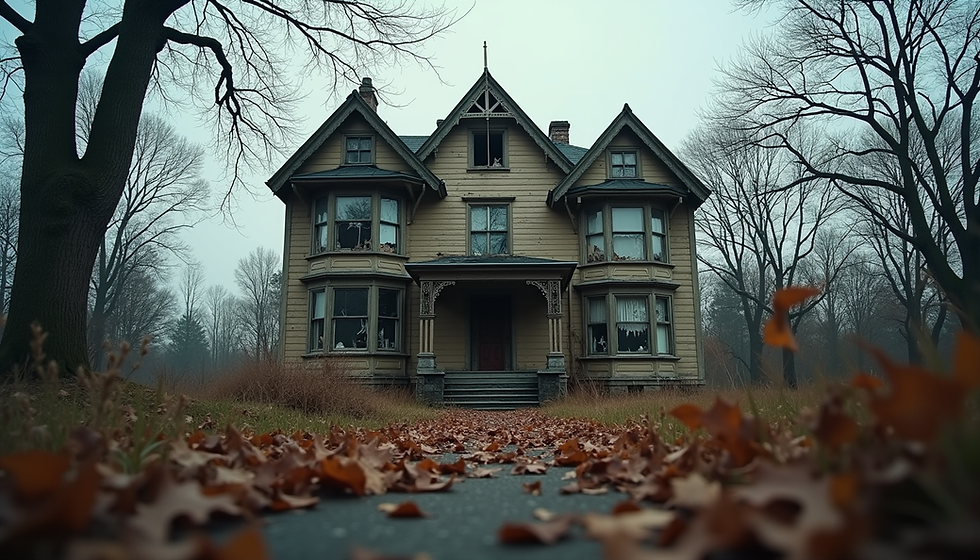
There is something undeniably magnetic about abandoned and urbex places. The cracked walls whisper stories of the past, the peeling paint reveals layers of forgotten time, and the silence hums with mystery. As someone who has wandered through countless deserted buildings and forgotten towns, I can tell you - the thrill of urban exploration is like no other. But with great adventure comes great responsibility. How do we explore these eerie, beautiful spaces safely and ethically? Let me take you on a journey through the dos and don’ts of discovering hidden gems without causing harm or putting yourself at risk.
Why Explore Abandoned Urbex Places?
Exploring abandoned places is more than just a hobby - it’s a way to connect with history, capture stunning photographs, and experience a unique kind of solitude. Imagine stepping into an old factory where machines once roared, or wandering through a deserted hospital where echoes of the past linger in the air. These places offer a raw, unfiltered glimpse into times gone by.
For photographers, the interplay of light and shadow in these spaces creates dramatic, haunting images. History enthusiasts get to see firsthand the architecture and artifacts that textbooks only describe. And thrill-seekers? Well, the adrenaline rush of navigating a crumbling structure is hard to beat.
But before you lace up your boots and grab your camera, it’s crucial to understand the importance of safety and ethics in urban exploration.
Preparing for Your Adventure: Safety First
Safety is paramount when exploring urbex places. These sites can be unpredictable - floors may be unstable, ceilings could collapse, and hazardous materials might be lurking in the shadows. Here’s how to prepare:
Research the Location: Before heading out, gather as much information as possible. Check online forums, local history sites, or even search for an abandoned place near me to find safe and legal spots.
Wear Appropriate Gear: Sturdy boots, gloves, and long sleeves protect you from sharp objects and rough surfaces. A hard hat and dust mask are wise additions, especially in older buildings.
Bring a Buddy: Never explore alone. Having a partner means help is nearby if something goes wrong.
Carry a First Aid Kit: Minor cuts and scrapes are common. Be ready to treat them immediately.
Use Reliable Lighting: Even if you visit during the day, interiors can be pitch dark. Headlamps and flashlights are essential.
Stay Connected: Let someone know where you’re going and when you expect to return. Mobile phones can be lifesavers, but signal may be weak in remote areas.
Remember, no photograph or story is worth risking your health or life.

Respecting the Past: Ethical Exploration
Urban exploration is a privilege, not a right. These places belong to history, and often to communities who may still feel connected to them. Ethical exploration means leaving no trace and respecting the site’s integrity.
Do Not Trespass: Always seek permission if the property is privately owned. Trespassing can lead to legal trouble and damages the reputation of the urban exploration community.
Leave Everything As You Found It: Resist the urge to take souvenirs or disturb artifacts. The stories these places tell are best preserved intact.
Avoid Vandalism: Graffiti and destruction harm the site and disrespect its history. If you want to create art, find legal walls or spaces.
Minimise Your Impact: Stick to existing paths and avoid damaging fragile structures or vegetation.
Share Responsibly: When posting photos or locations online, consider the consequences. Revealing exact locations can lead to increased vandalism or unsafe visits by unprepared explorers.
By following these guidelines, you help protect these sites for future generations and maintain the trust of property owners and local communities.
Essential Gear for Urban Exploration
Packing the right gear can make your adventure safer and more enjoyable. Here’s a checklist of essentials I never leave home without:
Sturdy Footwear - Preferably waterproof boots with good grip.
Protective Clothing - Long sleeves, durable trousers, gloves.
Headlamp and Flashlight - Plus extra batteries.
Dust Mask or Respirator - To avoid inhaling dust, mould, or asbestos.
First Aid Kit - Including antiseptic wipes, bandages, and pain relief.
Camera and Extra Memory Cards - To capture those unforgettable moments.
Backpack - To carry water, snacks, and your gear comfortably.
Multi-tool or Pocket Knife - Handy for unexpected situations.
Mobile Phone with Portable Charger - For emergencies and navigation.
10. Notebook and Pen - To jot down observations or sketch interesting details.
Packing light is important, but don’t sacrifice safety or preparedness for convenience.

Navigating Legal and Safety Challenges
One of the trickiest parts of urban exploration is navigating the legal landscape. Laws vary widely depending on location, and what’s allowed in one place might be illegal in another. Here’s how to stay on the right side of the law:
Check Local Regulations: Some abandoned sites are protected by heritage laws or are private property. Research local rules before visiting.
Seek Permission: Contact property owners or local authorities when possible. Many are open to responsible visitors if approached respectfully.
Avoid Dangerous Areas: Sites with hazardous materials, unstable structures, or ongoing demolition should be avoided.
Respect No-Entry Signs: They are there for your safety and legal protection.
Be Prepared to Leave: If confronted by security or police, remain calm and comply politely.
Safety challenges also include physical risks like hidden holes, broken glass, or wildlife. Always move cautiously, test surfaces before putting your full weight on them, and watch your step.
Capturing the Moment: Photography Tips for Abandoned Places
Photography is a huge part of urban exploration. These locations offer unique lighting, textures, and atmospheres that can make your shots truly stand out. Here are some tips to help you capture the essence of abandonment:
Use Natural Light: Early morning or late afternoon light creates dramatic shadows and highlights.
Experiment with Angles: Low angles can emphasize decay, while wide shots capture the scale of a space.
Focus on Details: Rusty locks, broken windows, and faded signs tell stories.
Bring a Tripod: For long exposures in low light.
Shoot in RAW: Gives you more flexibility in post-processing.
Respect the Site: Avoid moving objects or disturbing the environment just to get a better shot.
Photography is not just about images; it’s about storytelling. Let your photos speak of the history and mystery you’ve uncovered.
Leaving a Positive Impact
Urban exploration can be a force for good. By documenting and sharing these forgotten places responsibly, we raise awareness about their historical value and the need for preservation. Here’s how you can contribute positively:
Share Stories and History: Use your platform to educate others about the site’s background.
Support Preservation Efforts: Donate or volunteer with local heritage organisations.
Encourage Ethical Exploration: Lead by example and mentor newcomers.
Report Hazards: Inform authorities if you find dangerous conditions that could harm others.
Respect Local Communities: Be mindful of noise and litter, and avoid trespassing on residential properties.
Together, we can build a community that honours the past while exploring safely and ethically.
Your Next Adventure Awaits
There’s a whole world of forgotten places waiting to be discovered. Whether it’s an old railway station, a deserted hospital, or a crumbling mansion, each site offers a unique adventure. Just remember to prepare well, respect the rules, and tread lightly. If you’re wondering where to start, try searching for an abandoned place near me to find curated locations that welcome ethical explorers.
So, what are you waiting for? Grab your gear, bring your curiosity, and step into the shadows of history. The stories these places hold are waiting for you to uncover them - safely and respectfully. Happy exploring!

Comments